
Touching your toes may seem like an impossible feat for those who believe they’re not naturally flexible. However, the real culprit behind tight hamstrings and lower back discomfort isn’t a lack of innate flexibility. With just a simple 30-second standing hinge exercise, you can start your journey to improved flexibility and dismiss the myth of being ‘born stiff.’

The Myth of Natural Inflexibility
Many individuals believe that touching their toes or achieving certain levels of flexibility is only possible for those who are ‘naturally flexible.’ This myth is often perpetuated by the discomfort people feel due to tight hamstrings, which can also lead to lower back pain. However, flexibility is not solely a product of genetics; it can be improved with the right exercises and techniques.
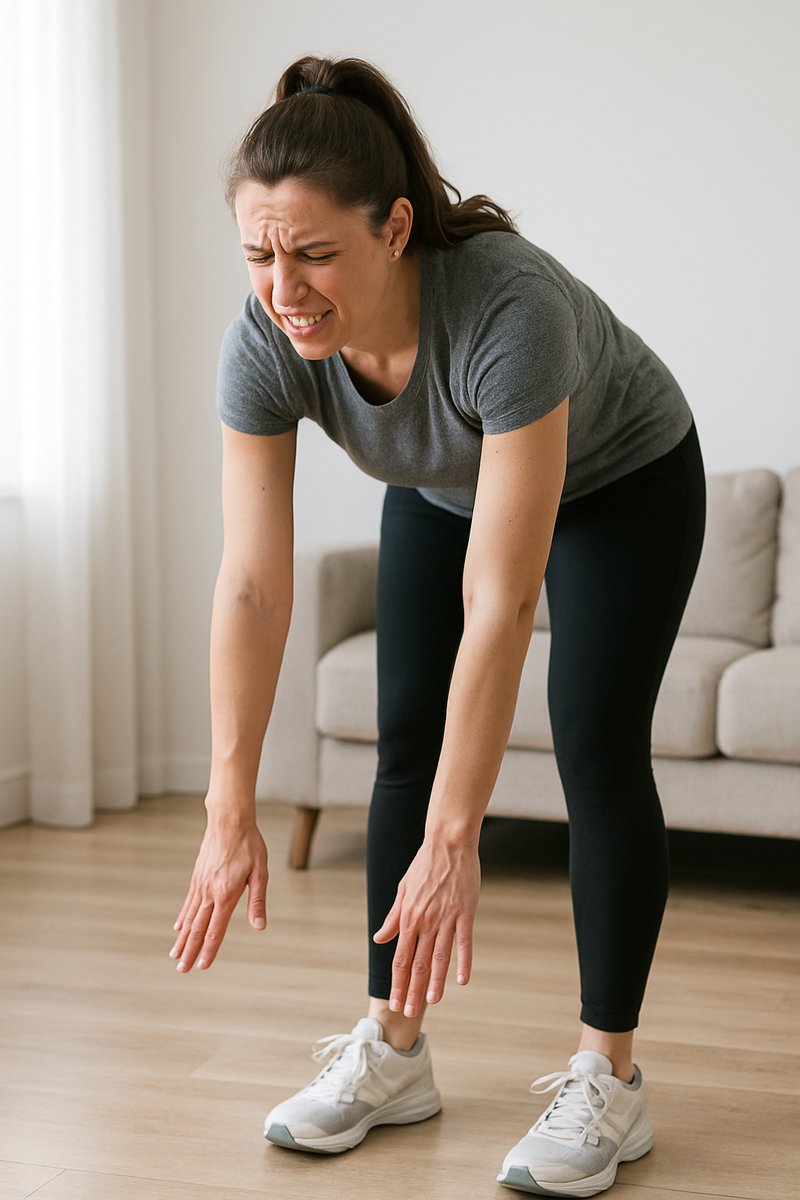
Introducing the 30-Second Standing Hinge
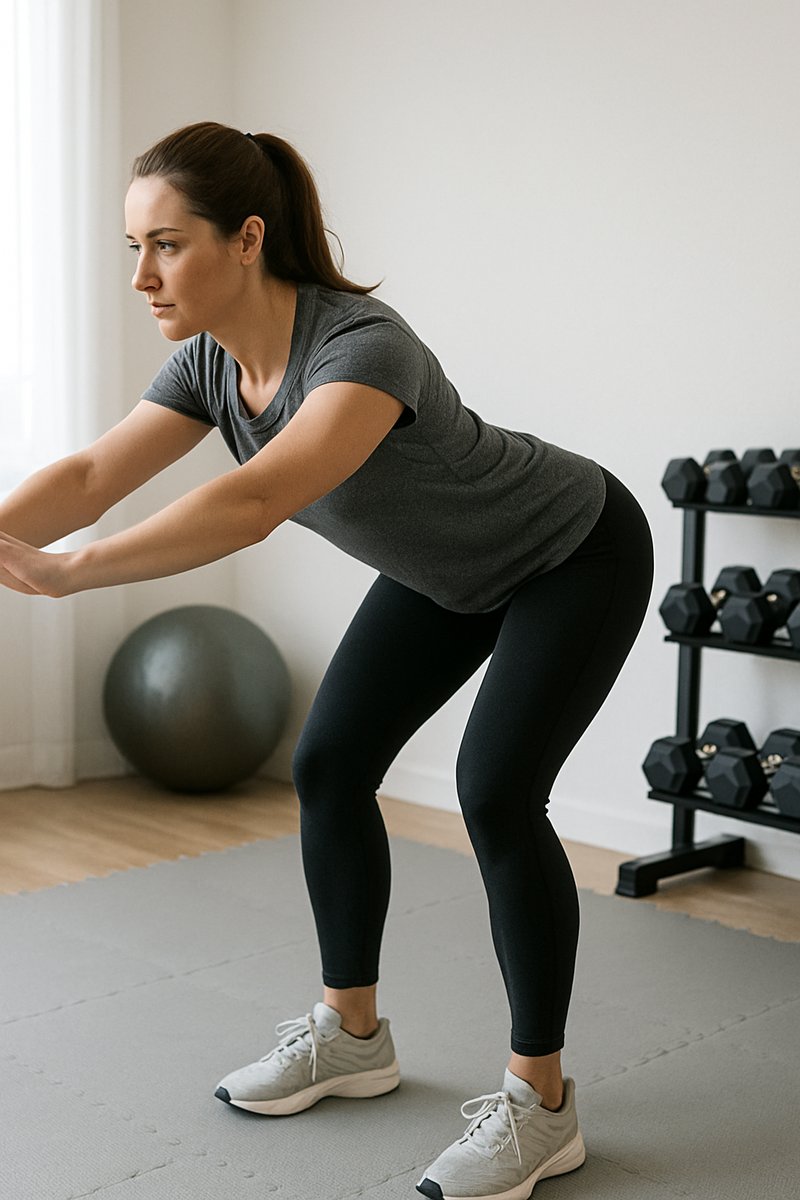
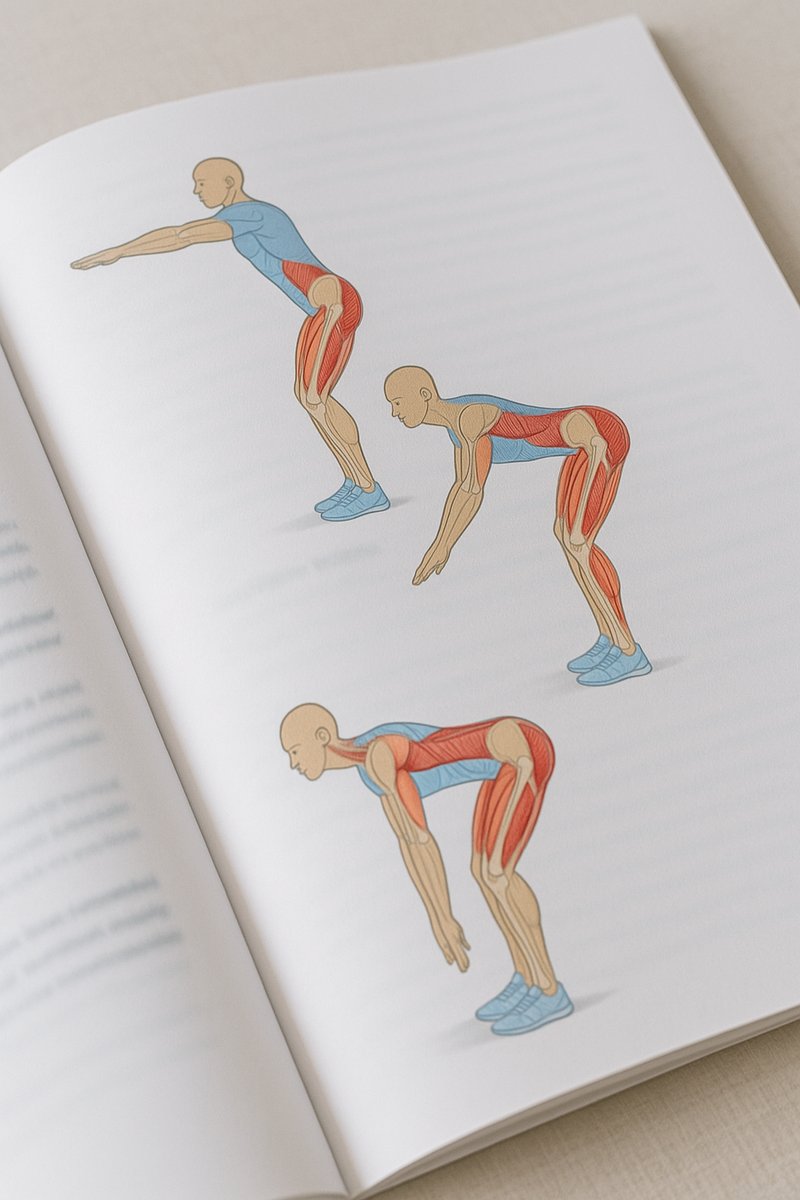
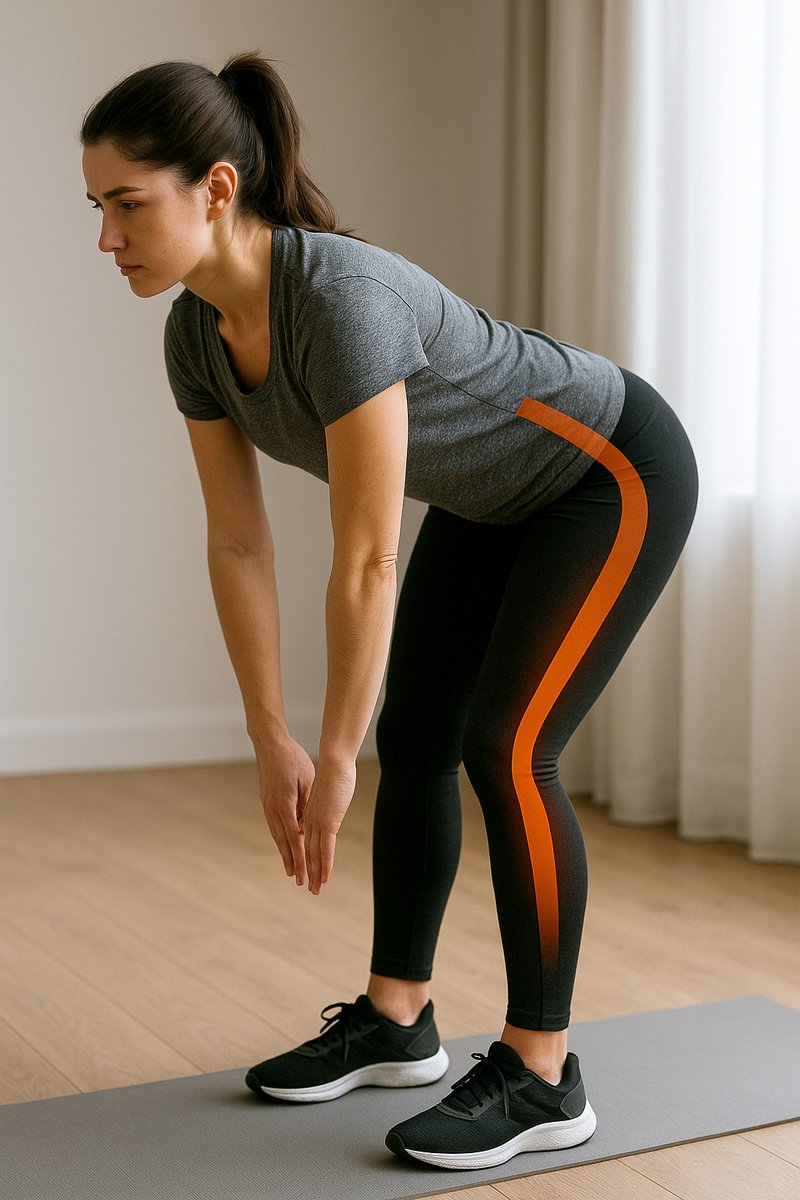
The 30-second standing hinge is a dynamic exercise that targets the hamstrings and promotes flexibility. Unlike static stretching, which involves holding a position, dynamic exercises like the standing hinge involve movement and are more effective for increasing the extensibility of muscles. To perform the standing hinge, stand with your feet hip-width apart and keep your knees slightly bent. Hinge at your hips, reaching your hands to table height, and feel a gentle stretch in your hamstrings. This exercise not only increases flexibility but also helps alleviate tension in the lower back.
The Science Behind Dynamic Stretching
Research published in physical therapy journals indicates that dynamic stretching exercises, such as the standing hinge, can increase hamstring extensibility by 20% more than static stretches over a six-week period. Dynamic stretching involves controlled movements that prepare your muscles and joints for activity, enhancing flexibility and reducing the risk of injury. This makes dynamic stretching a superior choice for those looking to improve their range of motion.
Practical Tips for Incorporating the Standing Hinge
Incorporating the standing hinge into your daily routine is simple and requires no special equipment. Begin by performing the exercise for 30 seconds each day, gradually increasing the duration as your flexibility improves. It’s an excellent addition to your warm-up routine before workouts, or it can be done as a standalone exercise to maintain and enhance flexibility. Remember, consistency is key to seeing results.
Final Thoughts
By practicing the 30-second standing hinge, you can debunk the myth of being ‘born stiff’ and experience greater flexibility and comfort in your daily activities. Whether you’re reaching for the floor, putting on socks, or performing squats, improved hamstring flexibility can make these tasks easier and more enjoyable. Start incorporating the standing hinge into your routine today and feel the difference it makes.