
In recent years, sustainable gardening has become more than just a trend—it’s a commitment to nurturing the environment while reaping the benefits of home-grown produce. With climate change impacting ecosystems globally, adopting eco-friendly gardening practices is both a responsibility and a rewarding pursuit for gardeners everywhere. Whether you have a sprawling backyard or a cozy balcony, a sustainable garden offers a rich, fulfilling experience by reducing waste, conserving resources, and enhancing biodiversity. In this guide, we’ll delve into effective strategies for establishing your own eco-friendly oasis, providing you with practical tips and insights to create a garden that thrives in harmony with nature.
Start with the Soil: The Foundation of a Sustainable Garden
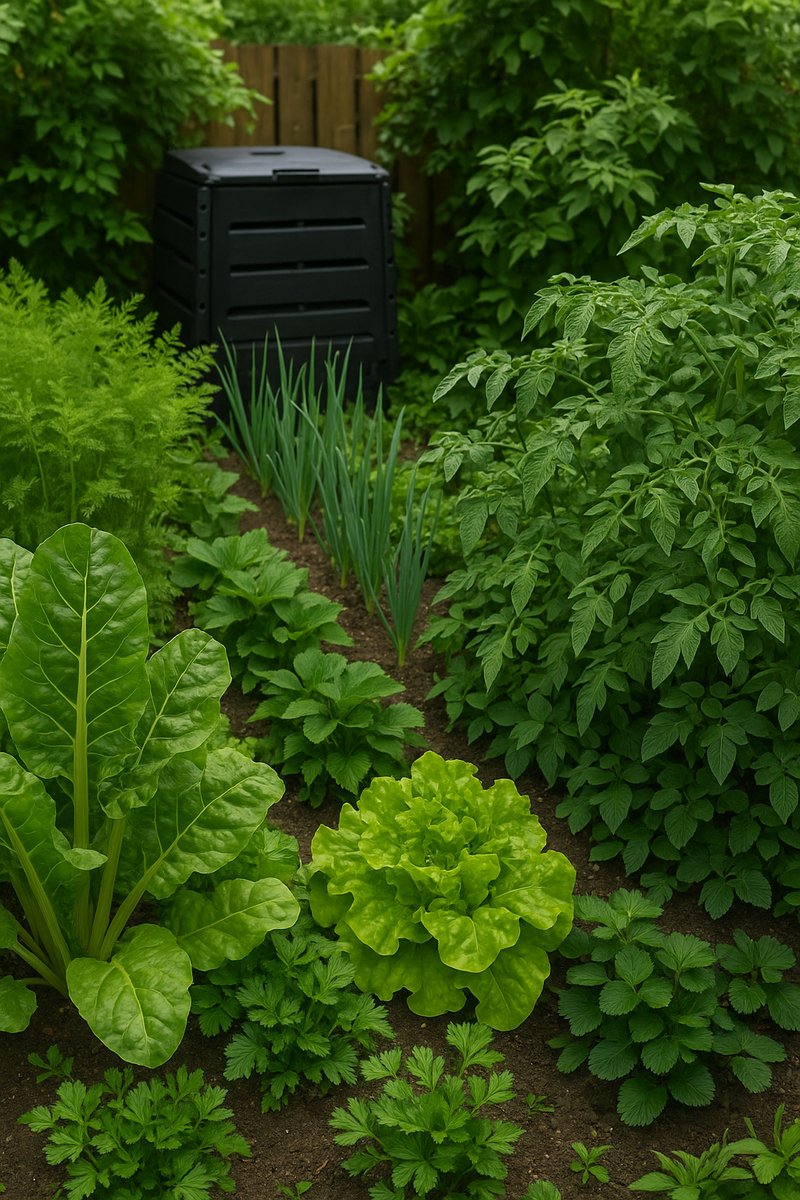
A thriving sustainable garden begins with healthy, nutrient-rich soil. By focusing on soil health, you lay the foundation for robust plant growth and reduced need for synthetic fertilizers. Begin by testing your soil to understand its composition and pH levels. This knowledge allows you to amend the soil with appropriate organic matter—such as compost, manure, or leaf mulch—to enhance its fertility.
One of the most effective ways to enrich your soil naturally is by composting. A home composting system not only recycles kitchen and garden waste but also returns valuable nutrients to the earth. Consider using the ‘Utopia Kitchen Countertop Compost Bin‘, which is perfect for small spaces and beginner composters. This bin helps in collecting scraps without odor while promoting a zero-waste lifestyle.
Water Wisely: Conservation Techniques for Your Garden
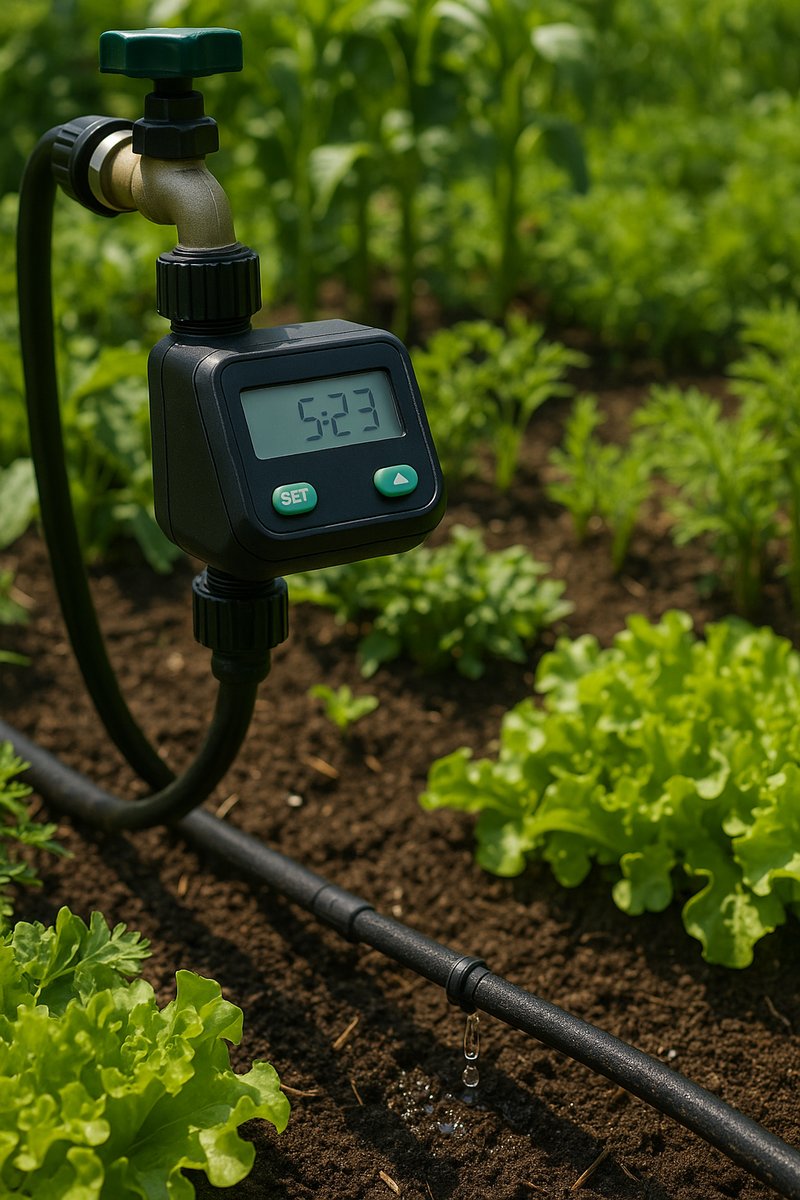
Water is one of the most precious resources, and conserving it is crucial for any eco-friendly garden. Implementing water-wise strategies not only helps the environment but can also lead to healthier plant growth. Embrace methods such as drip irrigation, which delivers water directly to the plant roots, minimizing evaporation and run-off. Additionally, collect rainwater using barrels placed under gutters to make use of natural precipitation, providing your plants with chemical-free water.
Another technique is to mulch generously around plants to help retain moisture in the soil. Organic mulches like straw or bark not only prevent water loss but also improve soil quality over time as they decompose. By combining these methods, you create a self-sustaining cycle that conserves water and nurtures your garden.
Reduce, Reuse, Recycle: Eco-Friendly Gardening Practices
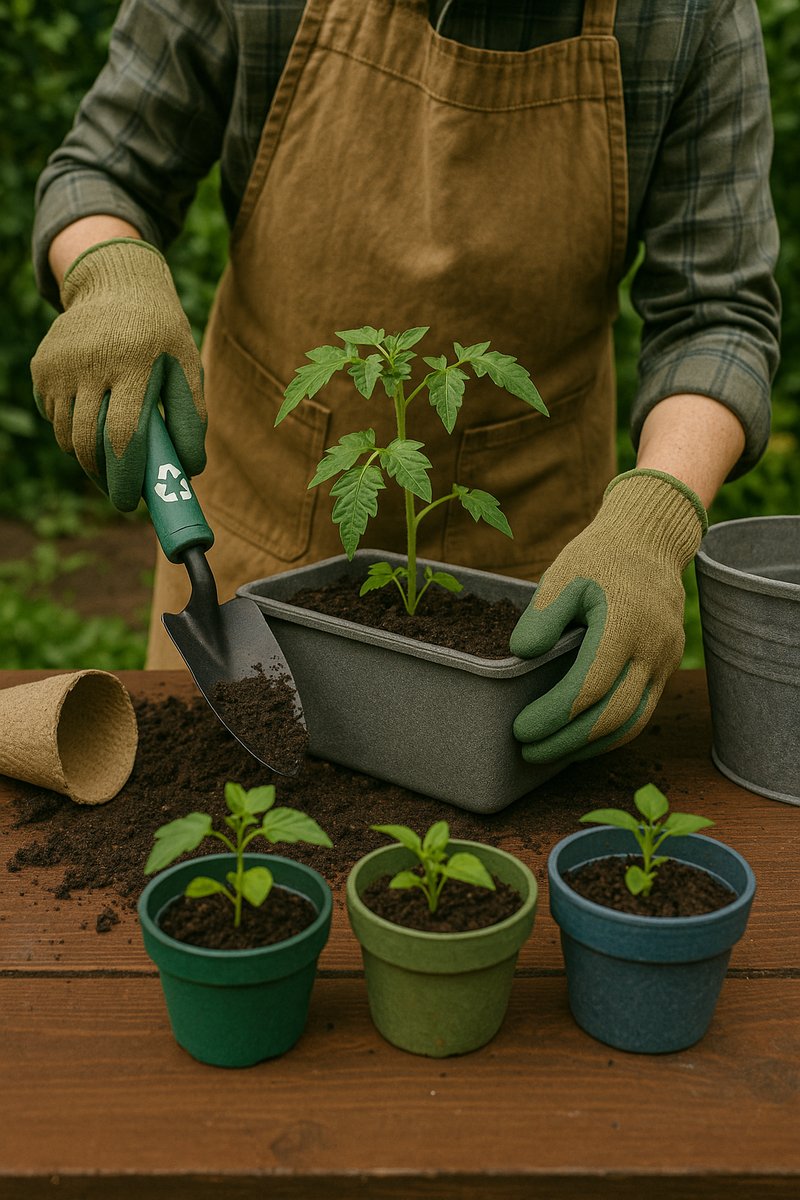
Adopting a circular approach to gardening significantly reduces waste and fosters a greener environment. Start by reusing materials you already have at home. Old jars, buckets, and even broken pots can be repurposed as plant containers. When purchasing new tools or materials, opt for ones made from recycled content or ones that can be recycled after use.
Additionally, utilize organic pest control options to minimize harm to beneficial insects and pollinators. Planting companion plants like marigolds or herbs can deter pests naturally, eliminating the need for chemical pesticides. These small steps collectively transform your garden into a closed-loop system that thrives on eco-friendly principles.
Cultivating Biodiversity: Inviting Wildlife into Your Garden
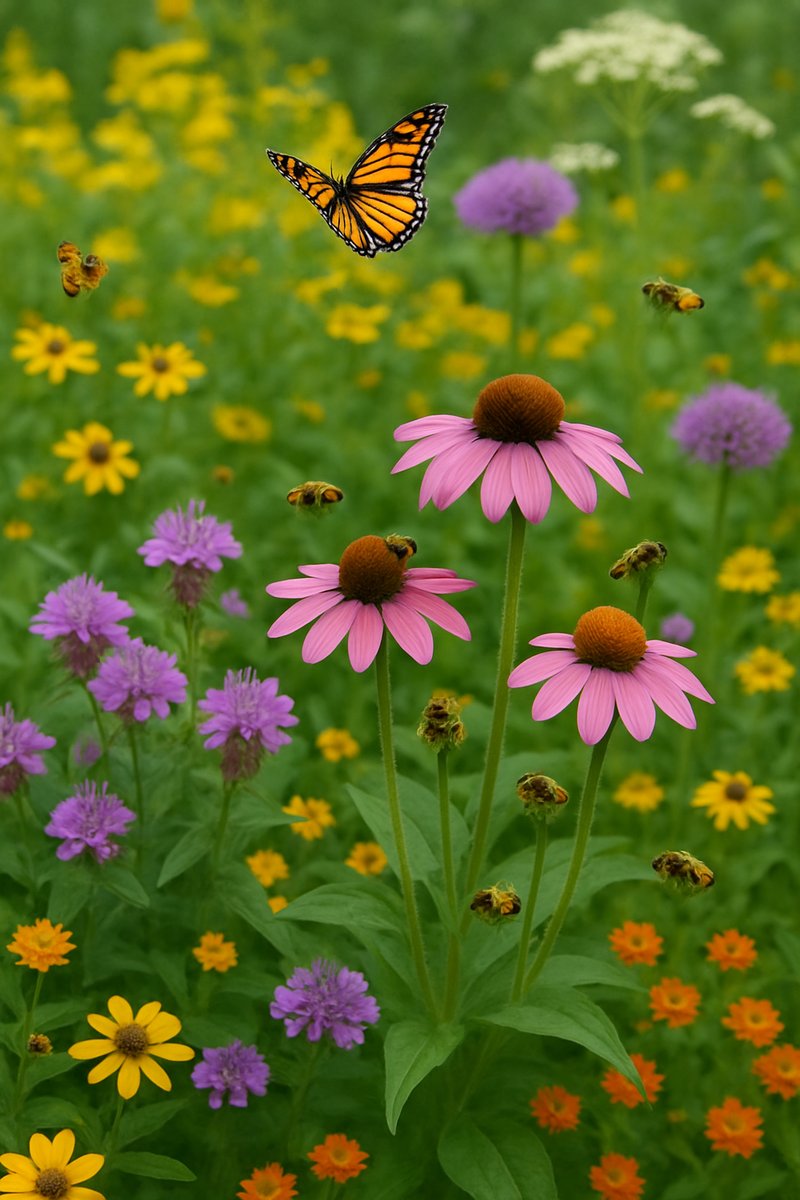
Encouraging biodiversity is a cornerstone of sustainable gardening. By attracting beneficial wildlife such as bees, butterflies, and birds, you not only support the local ecosystem but also promote natural pest control and pollination. Planting native species is a fantastic way to create a habitat that appeals to local wildlife, as these plants are well-adapted to local climate conditions and provide essential resources for fauna.
Design your garden to include a variety of flowering plants with staggered bloom times to provide continuous food sources. Adding a small water feature or bird bath can also make your garden a welcoming space for wildlife. Remember, a diverse garden is a resilient garden; it balances itself with less intervention needed.
Conclusion
Creating a sustainable garden is a fulfilling journey that benefits both the gardener and the planet. By focusing on soil health, conserving water, and inviting biodiversity, you can establish an eco-friendly garden that requires less intervention and respects natural processes. The use of tools like the ‘Utopia Kitchen Countertop Compost Bin‘ can further enhance your efforts by promoting zero waste and soil enrichment.
Whether you’re a seasoned gardener or starting fresh, adopting these practices ensures your garden will be productive and sustainable for years to come. Start your garden transformation today and enjoy the rewards of nurturing nature within your own sanctuary.