
Introduction: The Art of Tie Knots Through History
Over the centuries, the tie has evolved from a mere piece of cloth around the neck to an emblem of style and cultural identity. This journey through time not only indicates shifts in fashion but also mirrors the changing societal values and norms associated with this vital accessory. For the history enthusiast or the fashion lover, exploring the story behind tie knots offers a unique perspective on how a simple knot can carry profound significance. In this blog post, we will take a closer look at how tie knots have transformed over the ages, their impact on fashion, and their enduring cultural significance. Join us on this fascinating exploration of history and fashion intertwined.
The Cravat: Elegance of the 17th Century
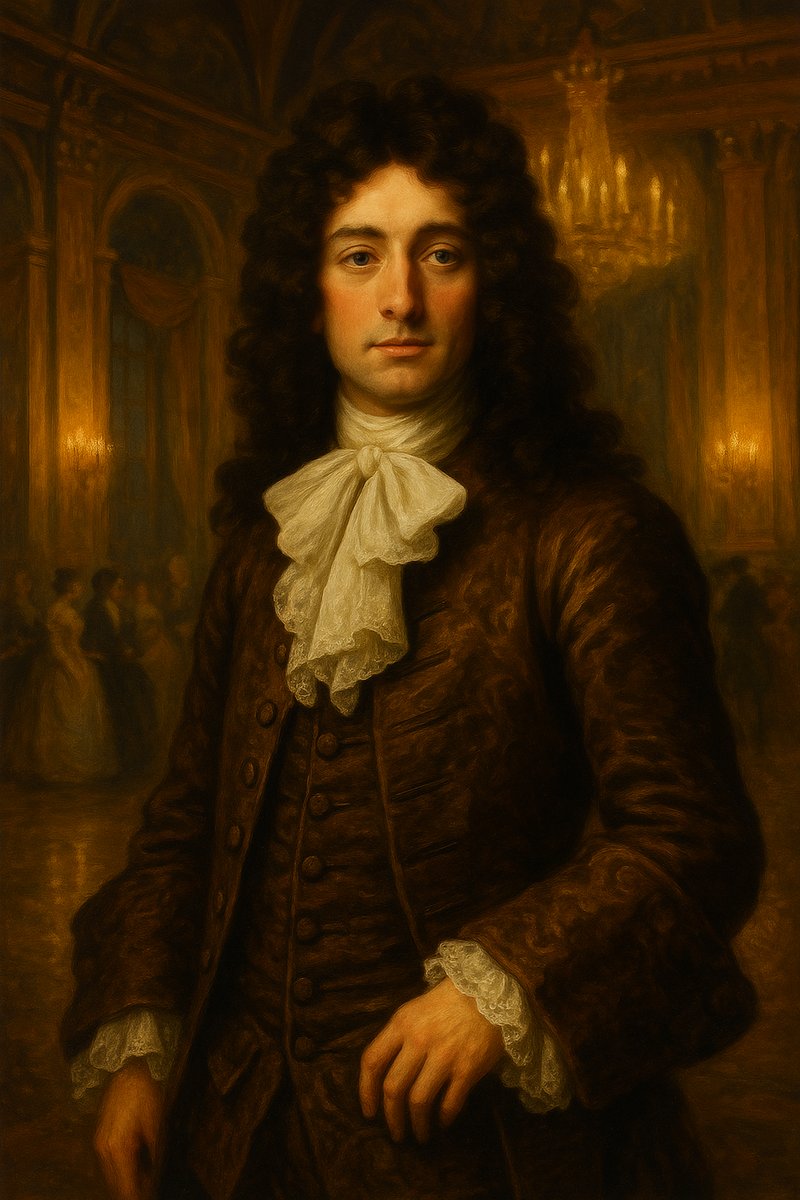
The earliest form of the modern tie can be traced back to the cravat, popularized in 17th-century France. Inspired by Croatian mercenaries who wore knotted scarves as part of their uniform, the cravat quickly became a symbol of elegance and sophistication amongst European aristocrats. King Louis XIV was known to favor this style, which set the trend across the continent. The cravat’s intricate knots and elaborate fabric choices often indicated one’s social status and personality.
For enthusiasts keen to explore this era further, the ‘Neckties: Webster’s Timeline History‘ provides detailed insights into cravat styles and their evolution. This resource is invaluable for understanding the subtle nuances and intricacies of early tie fashion.
The Ascot, Bow Tie, and Windsor: Ties of the 19th and 20th Century
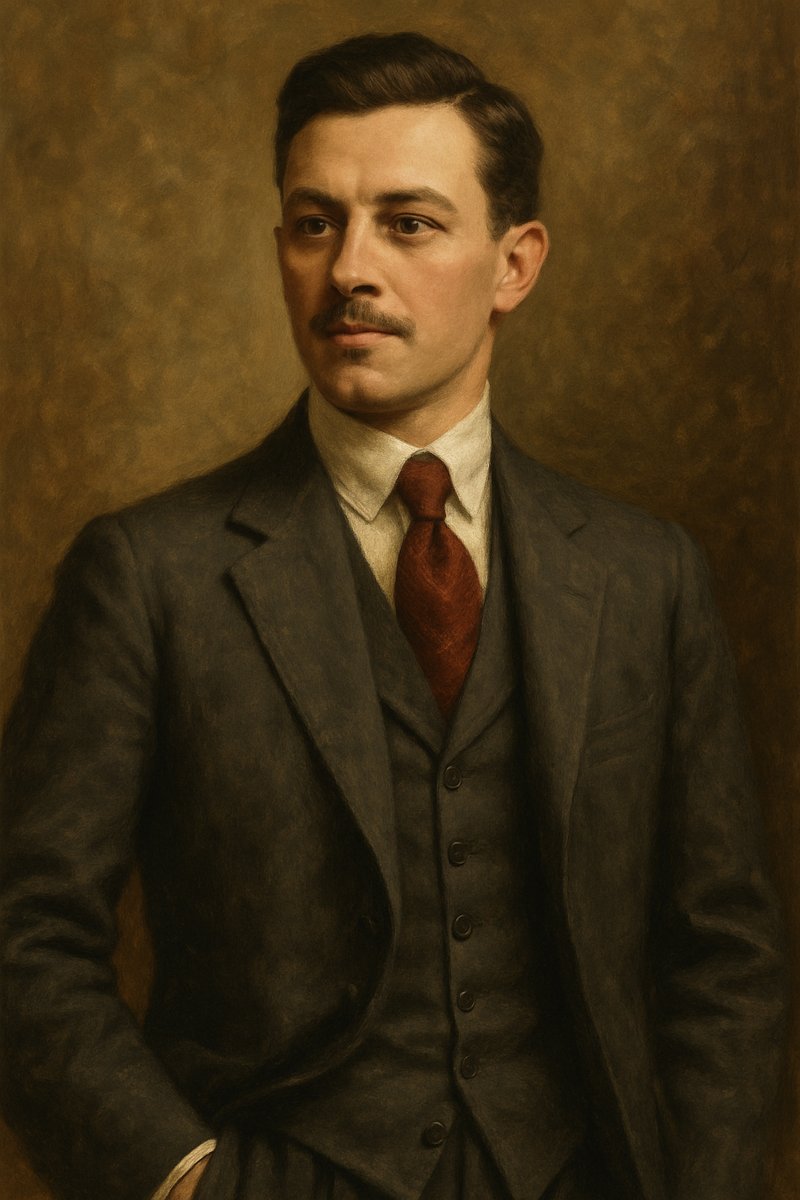
Transitioning into the 19th century, the cravat laid the foundation for more structured styles such as the ascot and the bow tie. The ascot, with its broad, folded style, became the neckwear of choice for formal occasions, notably horse races and weddings. Meanwhile, the bow tie, uniquely expressive, allowed gentlemen to showcase their individuality through colorful and patterned fabric.
The early 20th century introduced the Windsor knot, named after the Duke of Windsor. This style quickly gained popularity due to its wide, symmetrical shape, which projected authority and confidence. Windsor knots became a staple for the modern gentleman, teaching us how fashion elements can communicate power and poise.
Fashion historians and enthusiasts will find the transition from ascots to Windsors in ‘Neckties: Webster’s Timeline History‘ an enlightening read that connects the dots of an ever-evolving neckwear history.
Cultural Significance of Tie Knots Today

Today, tie knots are more than just a fashion statement; they reflect personal identity and cultural heritage. In contemporary society, the variety of knots available—from the simple Four-in-Hand to the complex Eldredge—allows individuals to express themselves, making neckties as versatile in function as they are in form.
A tie knot can indicate formality or creativity, making the art of knotting a tie a subtle yet influential skill. For history and fashion lovers, understanding the history of tie knots enriches their appreciation of what a simple accessory can signify in different cultures and contexts.
Organizing Your Ties: A Practical Solution
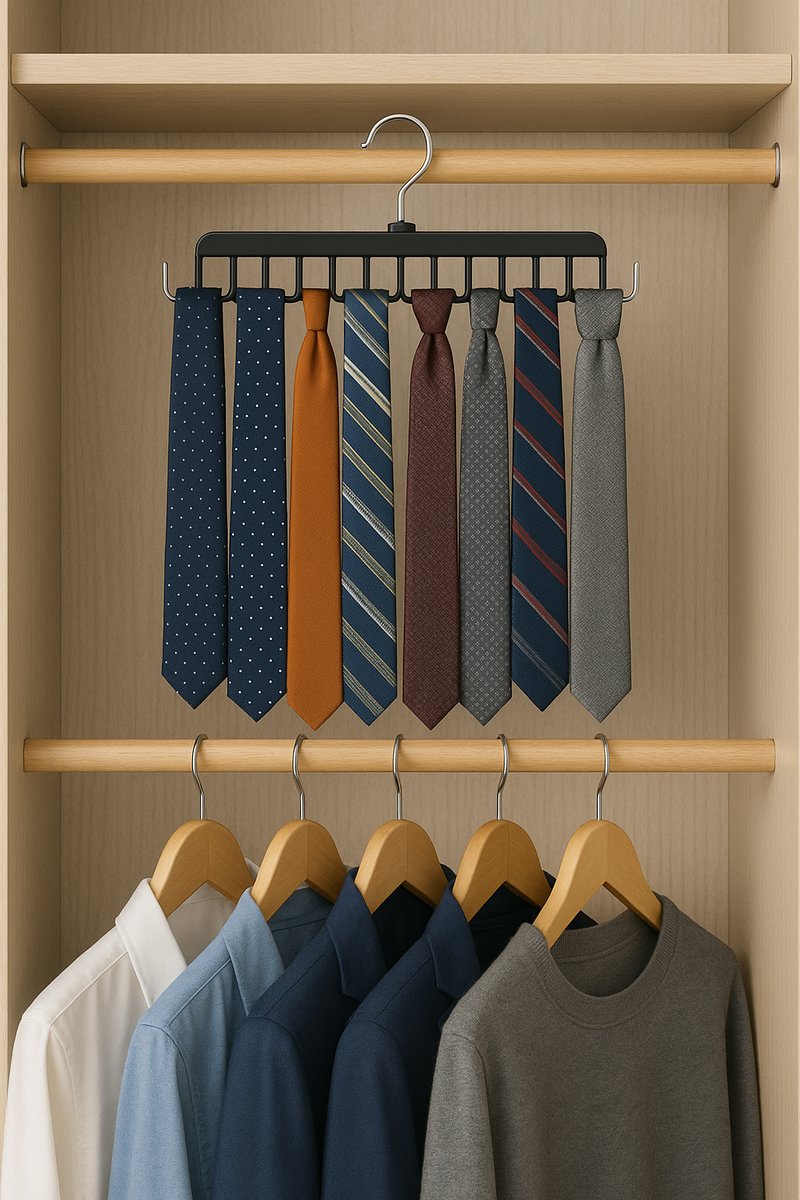
Having the right tools to maintain your collection of ties is crucial for any fashion enthusiast. The ‘20 Hooks 2 in 1 Belt Tie Hanger‘ is an excellent solution for organizing a varied collection of ties, from cravats to contemporary knots. Its innovative design ensures that your ties remain in perfect condition, making it easier to pick the right one for any occasion.
For those interested in both the historical and practical aspects of tie fashion, organizing your ties effectively not only preserves their quality but also provides a visual history of style, neatly hung and ready to wear.
Conclusion
Tie knots are a unique intersection of fashion and cultural history, reflecting societal changes across centuries. From the sophisticated cravat to today’s versatile knots, each style tells a story of aesthetic trends and personal expression. By exploring the history of tie knots, enthusiasts can gain a deeper appreciation for these seemingly simple yet powerful accessories.
We encourage you to delve deeper into this fascinating subject and perhaps explore ‘Neckties: Webster’s Timeline History‘ to enrich your knowledge further. Whether you are showcasing a collection with the ‘20 Hooks 2 in 1 Belt Tie Hanger‘ or experimenting with knots, embrace the art of tie tying and the history it carries.